
Beach Chairs for Wholesale Programs
Beach chair programs require model-level confirmation of seating height, frame material, textile, folded format, packing and finish. Begin with the intended channel and use, then confirm the complete specification before sampling.
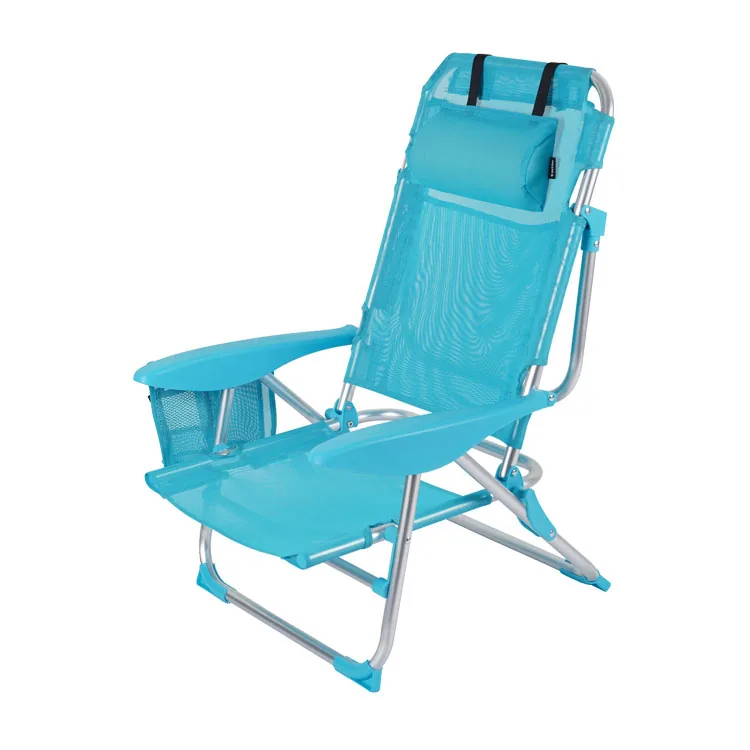
BUILT FOR YOUR BUYING PROGRAM
From real needs to the right solution
A useful specification begins with where the product will be sold or used, who will use it and how it must move through your supply chain.
Beach-goods importers
Select formats for the intended retail, wholesale or seasonal program.
Hotels & resorts
Coordinate chair format, finish, appearance and project delivery requirements.
Outdoor distributors
Compare beach-specific formats alongside portability and packing needs.
A decision framework—not a product gallery
Use the same comparison basis across every quotation and sample. A model name alone is not a specification.
Seating height & posture
Confirm the intended low or standard beach-seating experience on the exact model.
Frame material
Verify steel or aluminum construction and finish at model level.
Outdoor textile
Confirm material, color, stitching and maintenance requirements before approval.
Folded & packed format
Review folded dimensions and carton specification for your logistics plan.
Compare the first confirmed model range
Only completed, non-restricted fields appear. Missing evidence is not converted into a marketing claim.
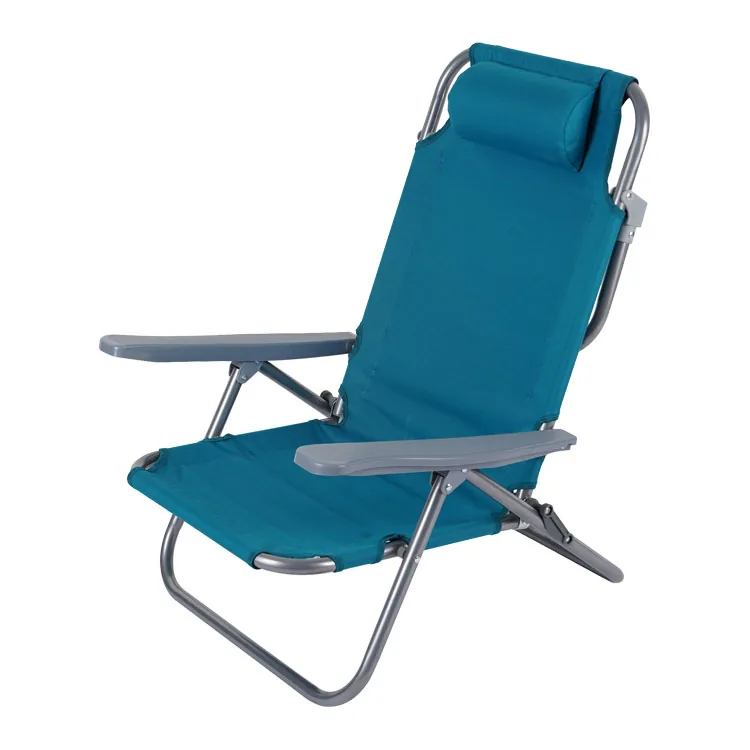
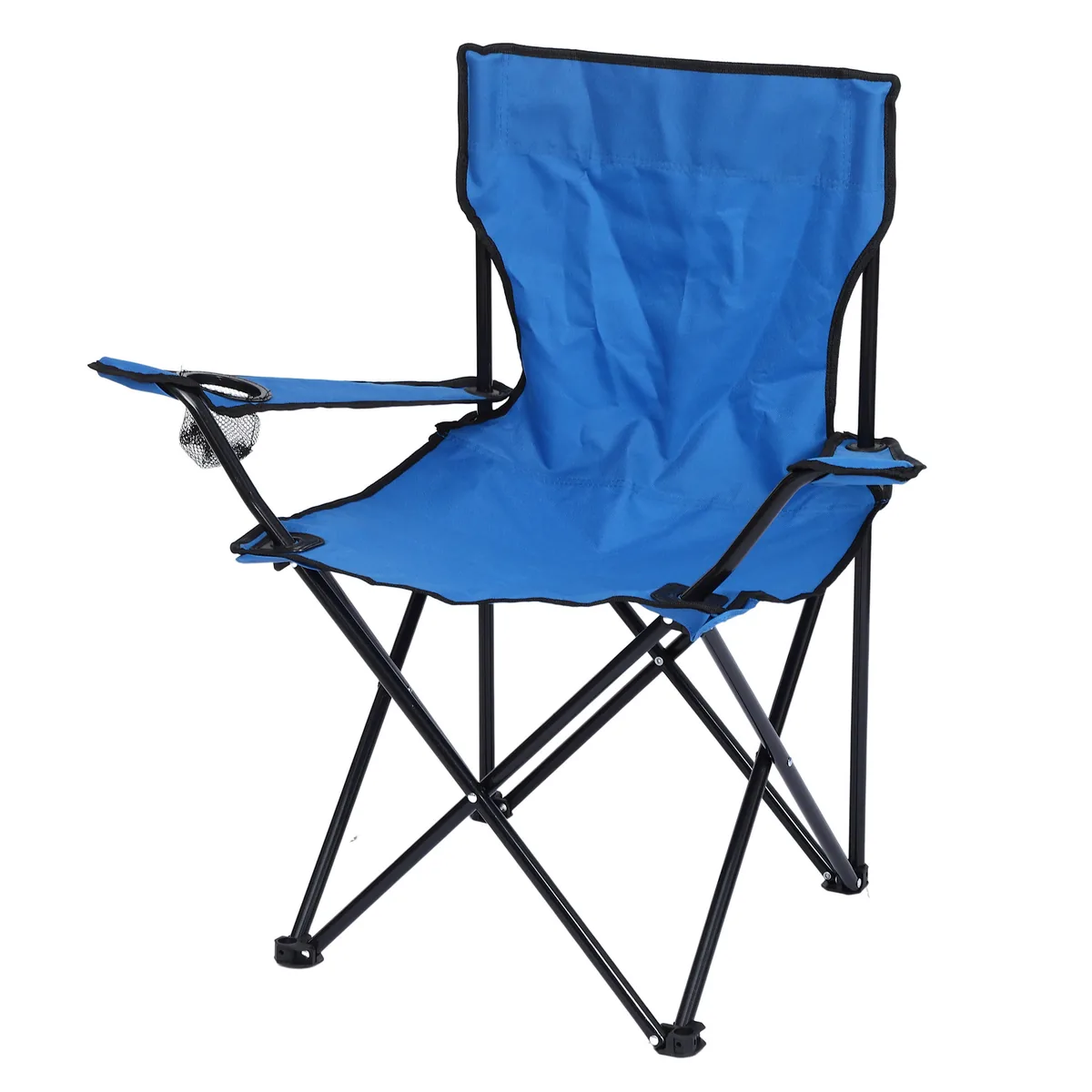
Steel Folding Beach Chair
Request the current model-level specification sheet.
Aluminum Textilene Folding Beach Chair
Request the current model-level specification sheet.
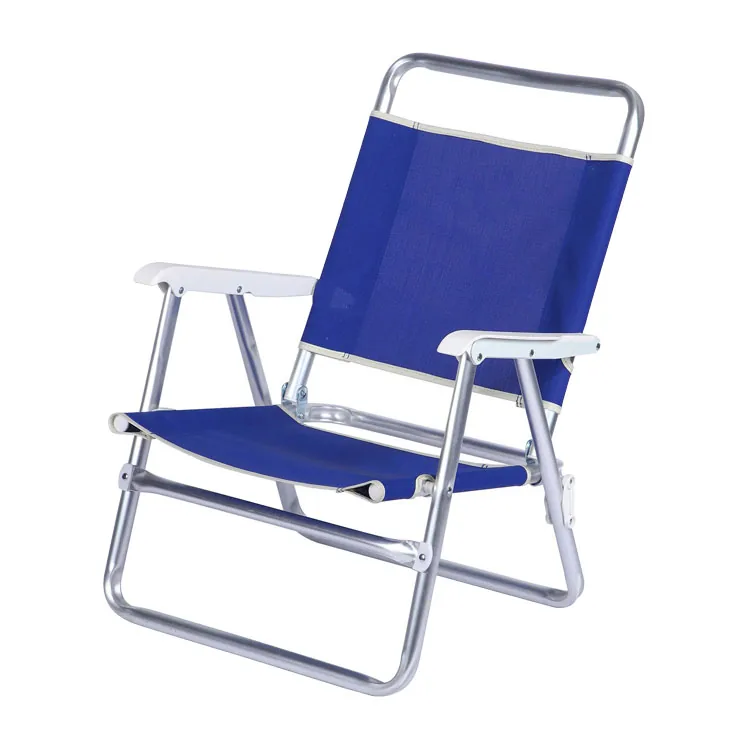
Aluminum Textilene Folding Beach Chair
Request the current model-level specification sheet.
Compare the confirmed specifications
Blank cells remain blank until the model-level information is confirmed.
| Specification | PT-A41301 | PT-A41601 | PT-A41701 |
|---|---|---|---|
| Model | PT-A41301 | PT-A41601 | PT-A41701 |
| Format | Steel Folding Beach Chair | Aluminum Textilene Folding Beach Chair | Aluminum Textilene Folding Beach Chair |
| Open size | — | — | — |
| Folded size | — | — | — |
| Frame | — | — | — |
| Tube | — | — | — |
| Wall thickness | — | — | — |
| Fabric | — | — | — |
| Packing | — | — | — |
OEM / Brand Presentation
Use the product, quantity and target market to define a feasible branded program.
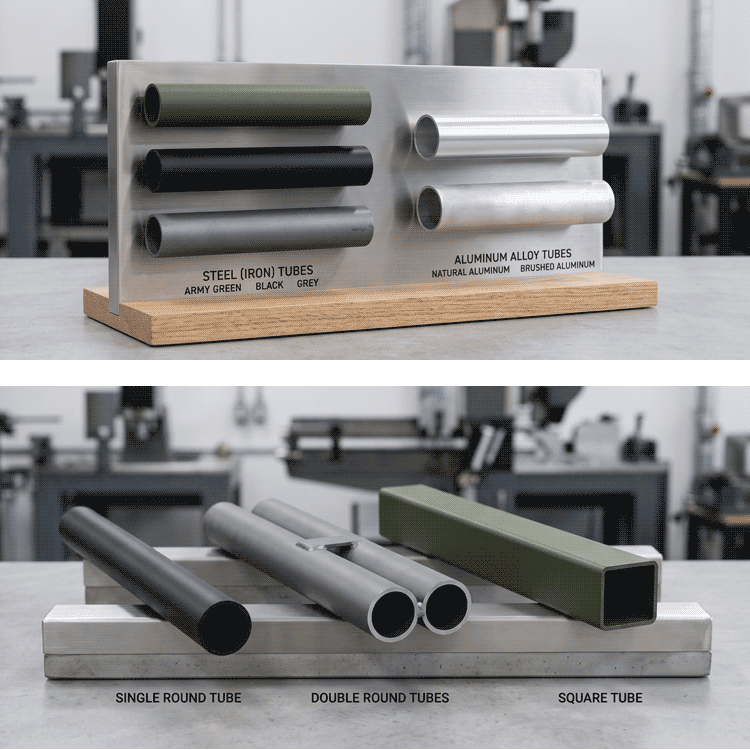
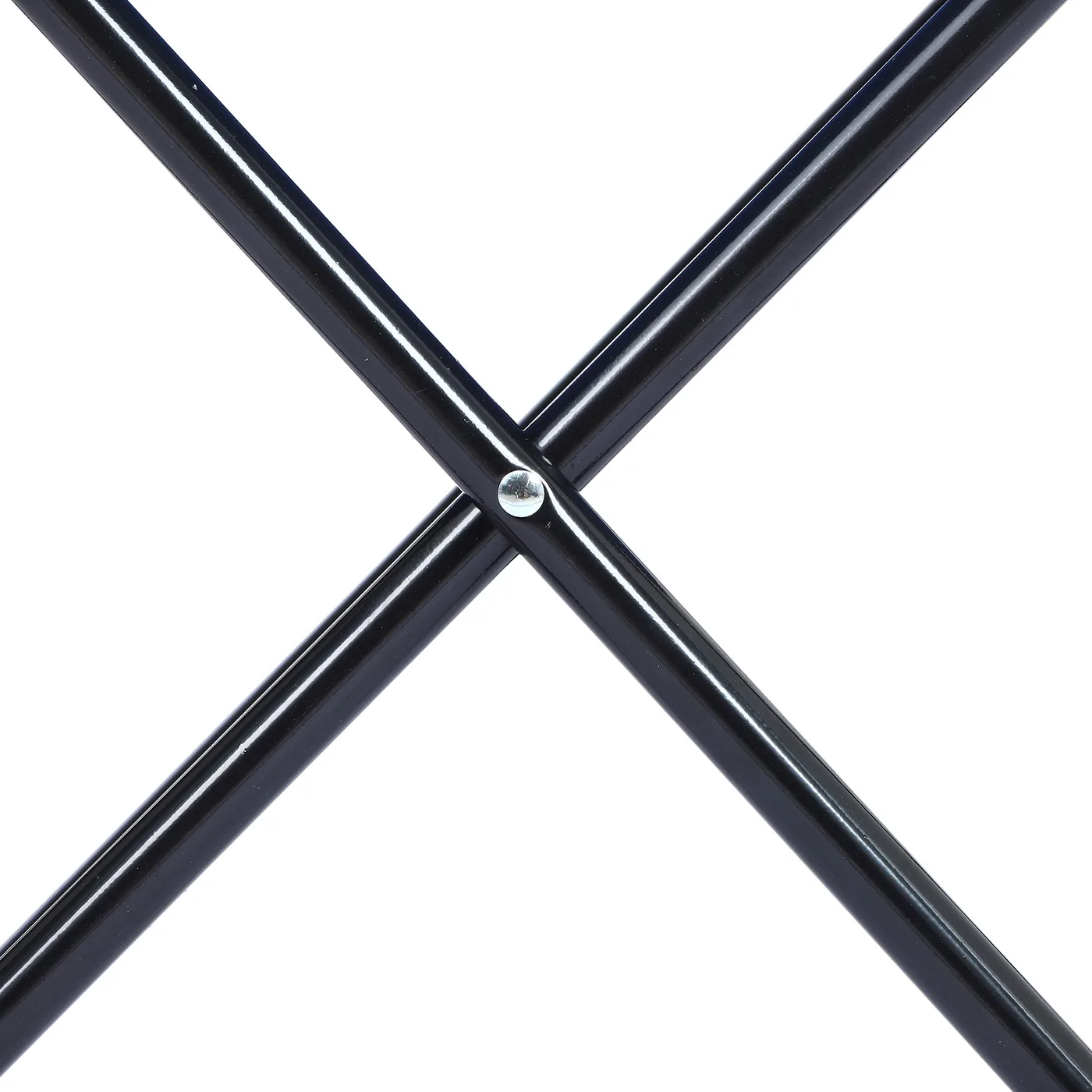
Frame Material
Frame material and finish feasibility depend on the model and proposed program.
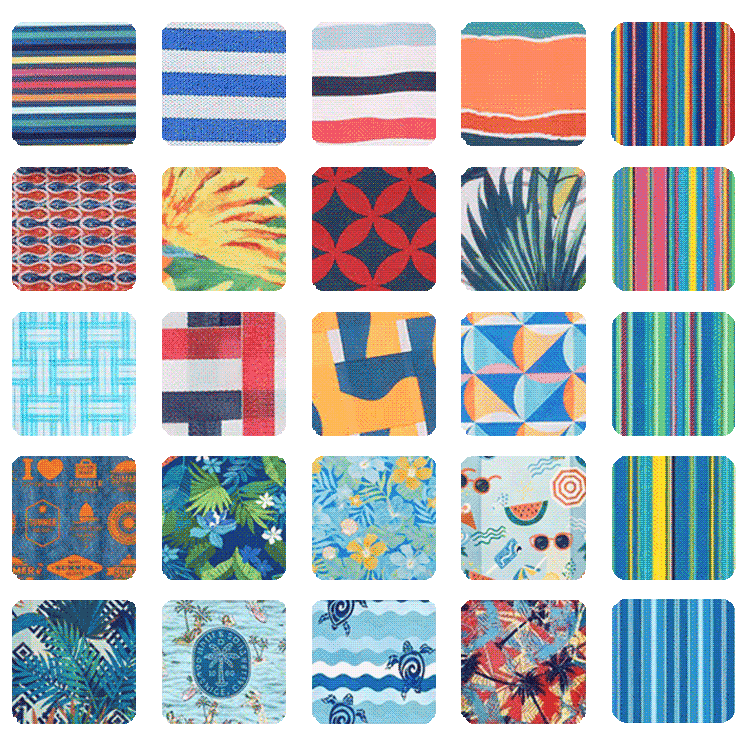
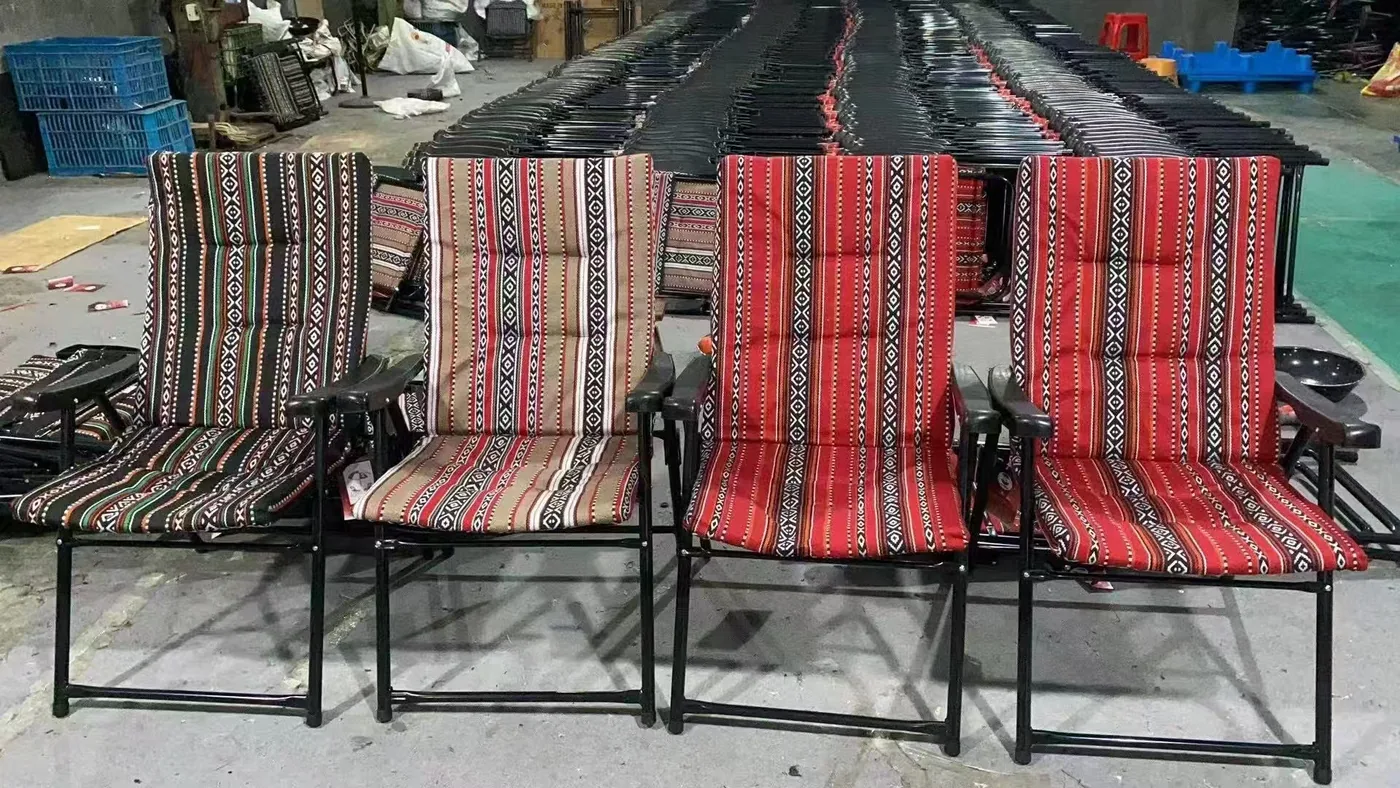
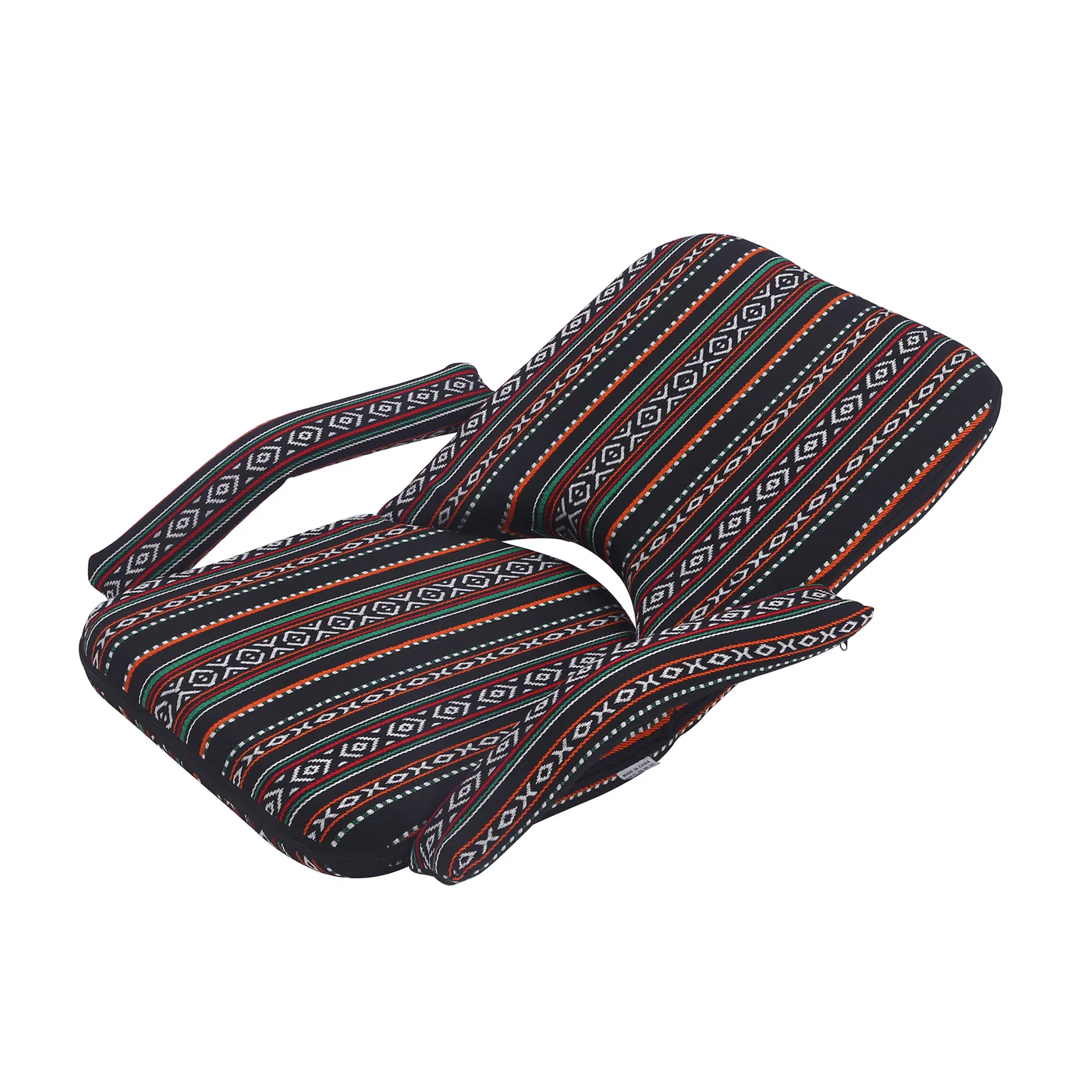
Custom Fabric
Fabric, pattern and colour direction can be discussed against available supplier options.
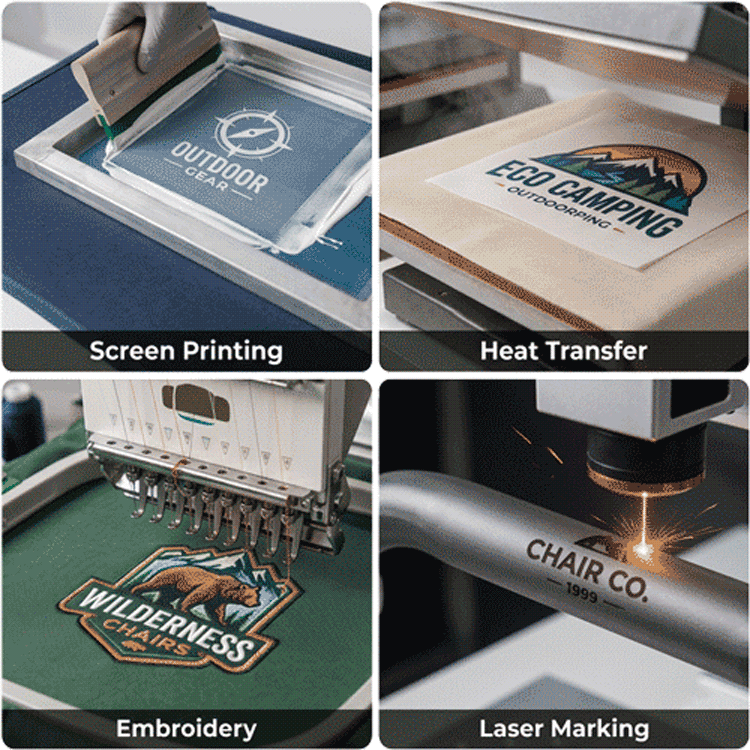
Logo Printing
Screen printing, heat transfer or embroidery options are reviewed for the selected model.
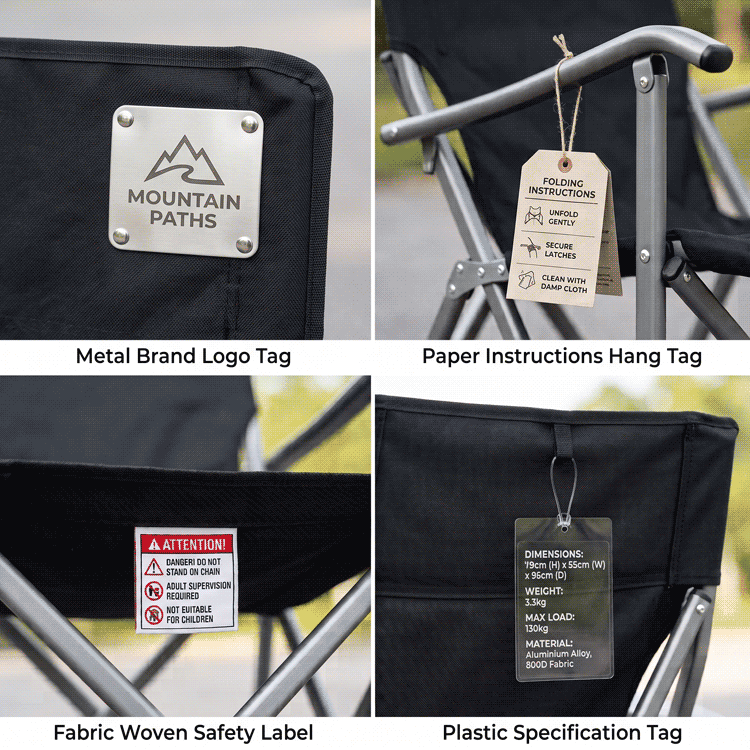
Hang Tag
Hang tags, labels and instruction information can be coordinated for the proposed solution.
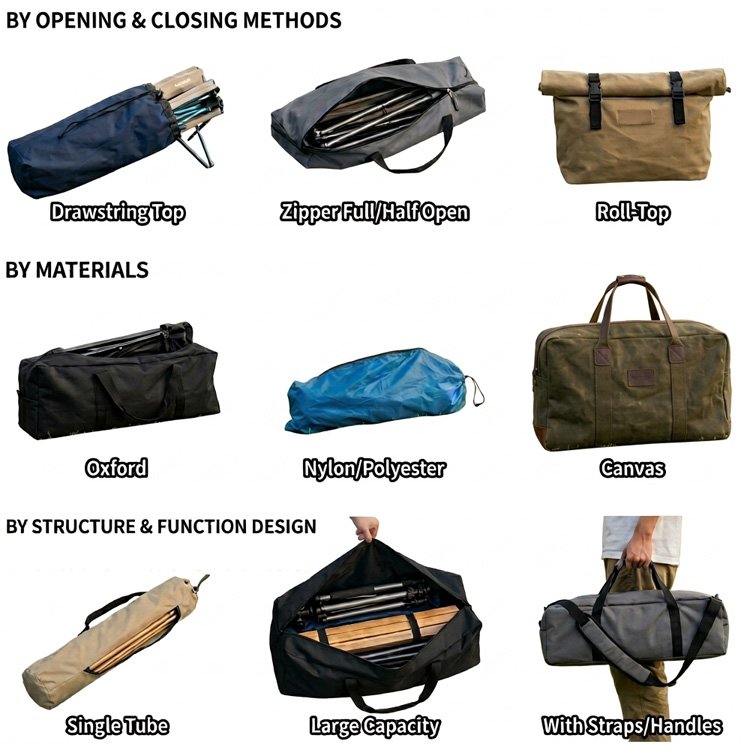
Carry Bag
Branded carry-bag options can be assessed with the product and quantity.
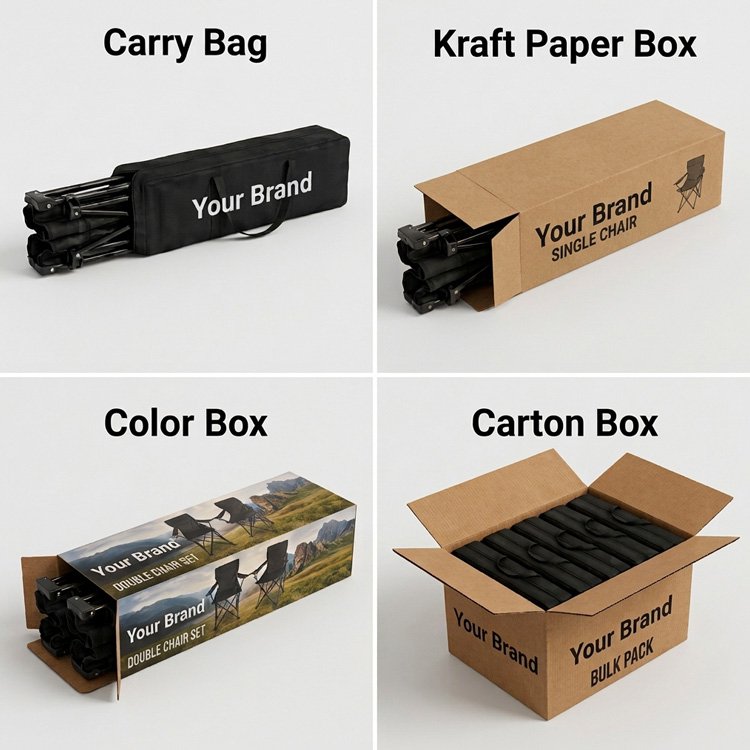
Retail Packaging
Packaging choices are confirmed according to the product, destination and order requirements.
Customization feasibility, MOQ, sampling cost and lead time are confirmed according to the specific product, quantity and proposed solution.
ODM / Product-Development Support
Move from a market requirement to a sample-ready proposal through a clear feasibility path.
Your brief
Share intended use, market, reference model and anticipated quantity.
Feasibility review
PATU coordinates a product and production-partner review of the proposed solution.
Proposed solution
Material, structure, cost, MOQ, sampling and lead-time points are clarified where feasible.
Sample confirmation
A sample or adjusted reference is evaluated before bulk production is considered.
A clear quality process for your peace of mind.
Quality-control checkpoints keep the approved sample, production decisions and final shipment connected.
Sample confirmation
Confirm the approved model, material and key details.
Materials & packaging
Confirm fabrics, colours, labels and packing before production.
First-piece check
Compare the first bulk piece with the approved sample.
Production follow-up
Keep key decisions connected during bulk production.
Final inspection & documentation
Provide final inspection documentation for customer confirmation.
Retained shipment sample
Keep a shipment sample for future reference.
Three comparison errors to avoid
- Assuming all beach chairs use the same frame material
- Selecting a color before the textile and finish are confirmed
- Planning logistics before folded and carton dimensions are checked
Customization within clear boundaries
Options may include logo application, supplier-card colors, labels and packaging. Customization feasibility, MOQ, sampling cost and lead time are confirmed according to the specific product, quantity and proposed solution.
Describe your required solution →What to confirm on the sample
The sample should become the physical reference for the order—not merely a photo approval.
- Model, open and folded format
- Frame material, tube and finish
- Fabric, color, sewing and padding
- Accessories and branding placement
- Labels, carry bag and packaging
- Approved differences and written specification
From enquiry to shipment
The workflow keeps the confirmed sample, materials, packaging and bulk-production decisions connected.
- 01
Define & compare
Share the market, use, quantity and customization needs; compare suitable models and quotations.
- 02
Sample approval
Purchase, receive and confirm the sample before placing the production order.
- 03
Production setup
After deposit, confirm materials and packaging for the order.
- 04
First-piece check
Compare the first bulk-production piece with the approved pre-production sample.
- 05
Bulk & inspection
Complete production, provide inspection documentation and retain a shipment sample.
- 06
Balance & shipment
After balance payment, coordinate customs declaration, loading and shipment.
Commercial reference points
Final terms are confirmed in the quotation or order for the selected model, quantity, destination and customization plan.
- Production mode
- Primarily made to order; no stock promise
- Production reference
- About 30 days; about 45 days in peak season, from receipt of deposit
- Sample reference
- About 7 days; about 15 days in peak season, from receipt of sample payment
- Payment reference
- 30%–40% deposit; balance before shipment
- Quotation basis
- FOB / DDP, subject to destination and feasibility
Questions buyers should settle early
Clear answers at model level reduce avoidable differences between a quotation, sample and bulk order.
View all resourcesAre complete specifications available for every pictured model?+
The launch range is under model-level specification review. Request the current sheet for the models you want to evaluate; incomplete fields are not presented as confirmed facts.
Can colors, labels and packaging be coordinated?+
Yes, subject to the selected model, quantity and supplier feasibility. MOQ, sampling cost and lead time are confirmed for each proposed solution.
How long does sampling normally take?+
The general reference is about 7 days, or about 15 days in peak season, calculated from receipt of the sample payment. The actual schedule depends on the approved sample requirements.
Can PATU quote FOB or DDP?+
FOB and DDP may be discussed. DDP feasibility depends on the destination, products, quantity and current logistics conditions.
Let's build your next Beach Chair program
Tell us the market, formats, quantity and customization requirements you are considering. The more detail you share, the more relevant our next-step recommendation can be.
Request Product Range PDF