
Your Folding Camping Chair Order Passed AQL. What Does That Actually Mean?
A practical guide to what an AQL pass verifies, what it does not prove, and what buyers should still confirm before release.
A PASS result is useful—but narrower than it sounds.
An inspection report says PASS. For many buyers, that feels like the end of the quality conversation. It is not.
A passed AQL inspection can be useful. It gives the buyer evidence from a defined sample, checked against an agreed inspection plan. But it is important to understand what that evidence means before treating it as a complete release decision.
For a folding camping chair order, a PASS result does not automatically mean that every chair is correct, every product claim has been verified, or every possible requirement has been covered. It means something narrower—and still valuable.
What an AQL pass actually means.
Acceptance sampling is a way to inspect a sample from a production lot and make an accept-or-reject decision using agreed rules.
In practical terms, a PASS result means the sampled units met the acceptance criteria in the inspection plan used for that lot. That is useful decision evidence. But the result depends on what was agreed before inspection: what defined the production lot, how the sample was selected, which product details were checked, what counted as a defect and which acceptance and rejection rules were applied.
Without those details, the word PASS can sound more complete than it really is.
- Defined production lot and sample selection
- Product details included in the inspection scope
- Agreed defect classifications
- Acceptance and rejection numbers and rules
| Point to clarify | Why it helps |
|---|---|
| Lot and sample identity | Connects the report to the goods being released. |
| Inspection-plan reference | Shows which approved sample, specification, artwork or tolerance was used. |
| Defect and acceptance rules | Explains what counted as a finding and how the decision was made. |
| Questions outside scope | Separates AQL evidence from testing, compliance or buyer-program review. |
A real example: a question that arrived after inspection.
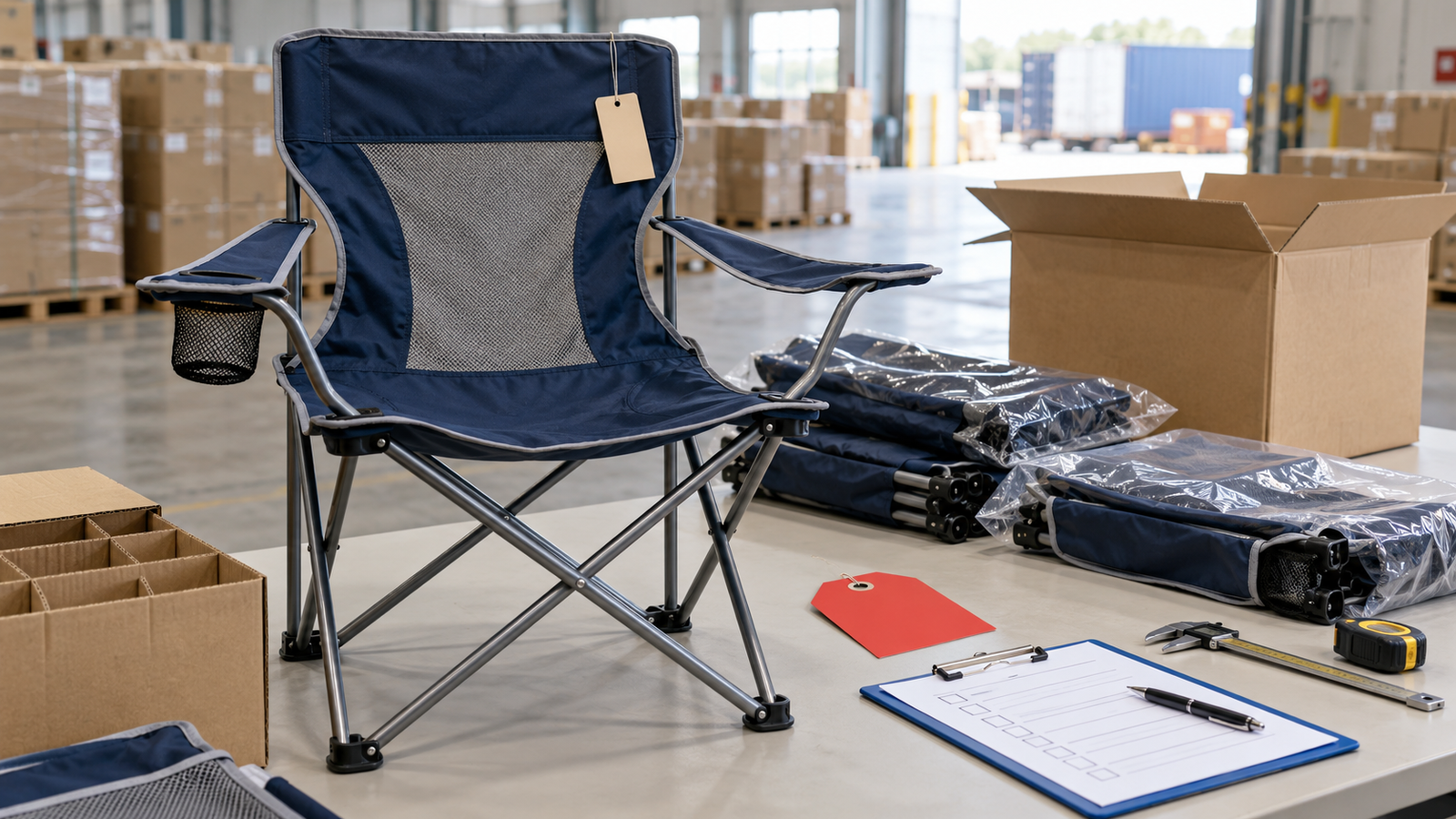
In one anonymized folding camping chair order, the final inspection was completed under an agreed AQL sampling plan. The report covered appearance, dimensions, folding function, packaging, labels, carton packing, maximum-load checks, fabric thickness, frame-tube thickness and a visual review of the user manual. The result was PASS.
Afterward, the buyer asked whether the crossed-out wheeled-bin symbol in the user manual was at least 7 mm high. It was a reasonable question, but it had not been included in the inspection brief as a measurement point with a reference requirement and acceptance criterion.
This did not make the PASS result wrong. It showed the boundary of the result. The inspection confirmed the items that had been agreed and checked; it could not confirm a new requirement introduced afterward.
If a symbol size, warning wording, language version, placement or other marking detail matters to a buyer’s program or destination market, define the exact requirement, reference artwork or document, measurement method, acceptance tolerance and whether a separate compliance review is needed before inspection.
What an AQL pass does not prove.
AQL-based sampling is not 100% inspection. It cannot confirm every unit in a shipment. It also does not automatically answer questions outside the agreed inspection scope.
| Buyer question | Can an AQL pass answer it by itself? |
|---|---|
| Did the sampled lot meet the agreed acceptance rule? | Yes, if the inspection plan was clearly defined and followed. |
| Is every folding camping chair in the shipment correct? | No. A sample result is not a 100% confirmation. |
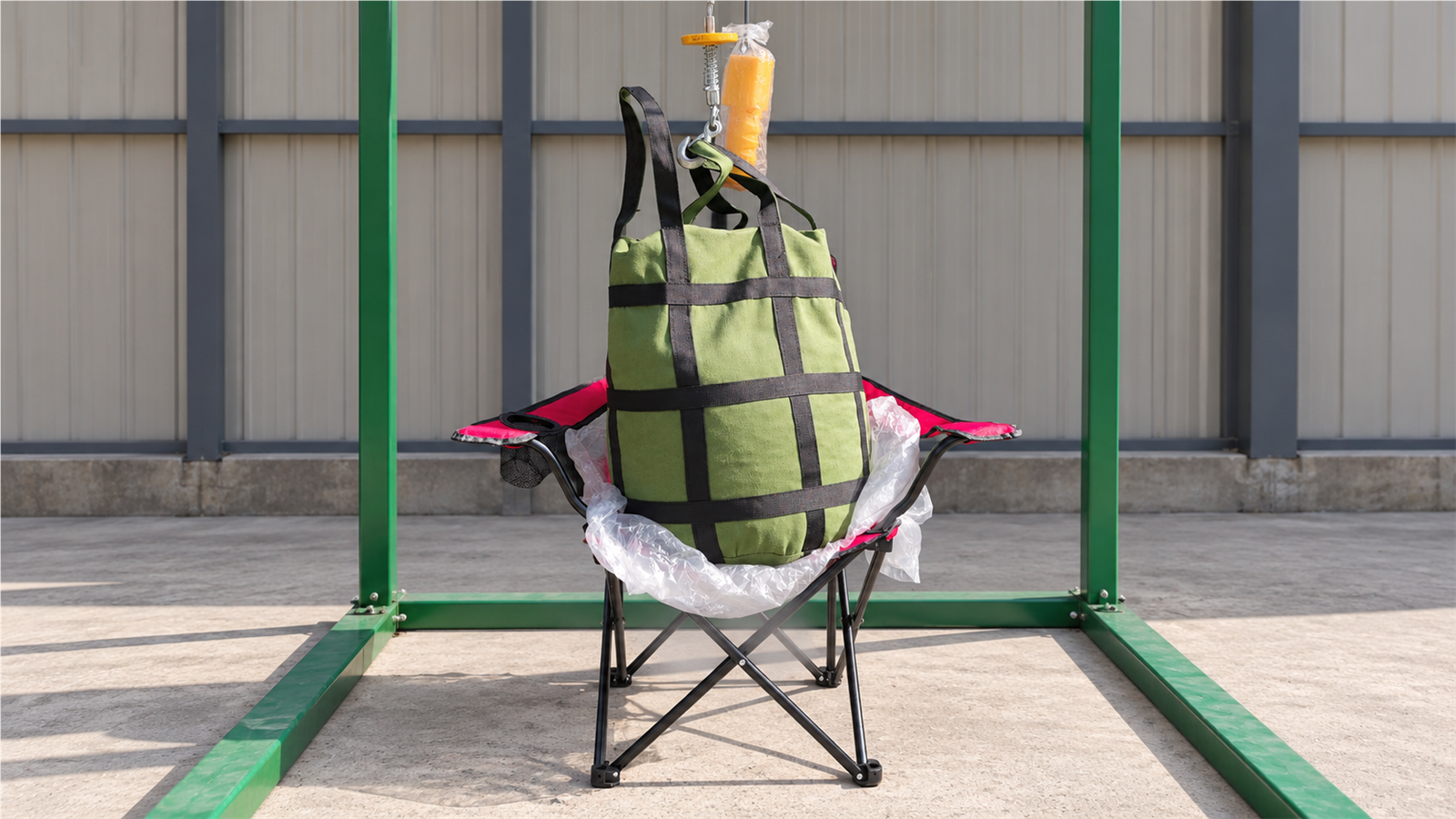
| Is the stated maximum load fully substantiated? | No. That requires appropriate technical evidence or testing. |
| Will the chair remain durable through long-term use? | No. Visual and functional sampling cannot establish long-term durability. |
| Does the order meet every destination-market requirement? | No. Compliance requirements may need separate review and evidence. |
| Does the bulk order match the approved sample in every critical detail? | Not automatically. It depends on what the inspection checklist specifically compared. |
“AQL 2.5” is not a shortcut for understanding risk.
One common misunderstanding is to treat an AQL number as if it means “this percentage of defects is acceptable in the shipment.” That is too simple.
AQL is part of an acceptance-sampling system. It works together with the defined lot, inspection level, sample size, defect classification, and acceptance and rejection numbers. The same numerical label does not make two inspections equivalent if the inspection scope is different.
The better question is not “What AQL number did we use?” It is “What did this inspection plan actually verify?”
Five questions to ask before relying on a PASS result.
1. What exactly was sampled? Confirm the lot identity, quantity, model mix, production stage and inspection date.
2. What was the inspection checklist based on? Tie it to the approved sample, specification sheet, purchase order, packaging requirement, artwork, label details and written tolerances.
3. What counted as a defect? Consider the different consequences of a wrong barcode, missing carry bag, incorrect carton quantity, unstable folding function or visible cosmetic variation.
4. What important questions were outside the inspection scope? Identify product-specific performance testing, durability testing, structural assessment, laboratory analysis, destination-market compliance review and buyer retail-program approval.
5. What happens if a finding appears after the sample count is complete? Investigate, segregate affected goods, confirm scope or agree corrective action when a finding may affect safety, agreed function, commercial delivery or order scope.
- Lot identity, quantity, model mix, production stage and date
- Approved product references and checklist basis
- Defined defect meaning and consequence
- Questions requiring separate evidence
- Corrective-action path for findings discovered after sampling
A PASS result is an input—not the whole release decision.
AQL sampling gives buyers a structured way to make a decision with limited evidence. A release decision for a folding camping chair order may also depend on whether the product matches the approved configuration, critical specifications are clearly defined, labels, cartons, accessories and packing match the agreed delivery, important findings have been corrected and verified, and separate testing or compliance questions have been addressed appropriately.
A useful inspection report does not need to promise certainty. It needs to make its limits clear. When a buyer sees PASS, the most useful next question may be: What did this result actually verify—and what still needs separate evidence?
References and limits.
ISO 2859-1:2026 — Sampling procedures for inspection by attributes
ASQ Quality Glossary: AQL
ANSI/ASQ Z1.4 and Z1.9 Sampling Plans
ISO 2859-4:2020 — Procedures for assessment of declared quality levels
This article provides general buyer guidance. It does not set a universal AQL, replace product-specific testing or compliance review, or establish a buyer’s internal release procedure.
Keep reading
Related Resources
Need a clearer comparison for your buying program?
Share the product, use case or quotation detail you are working with.